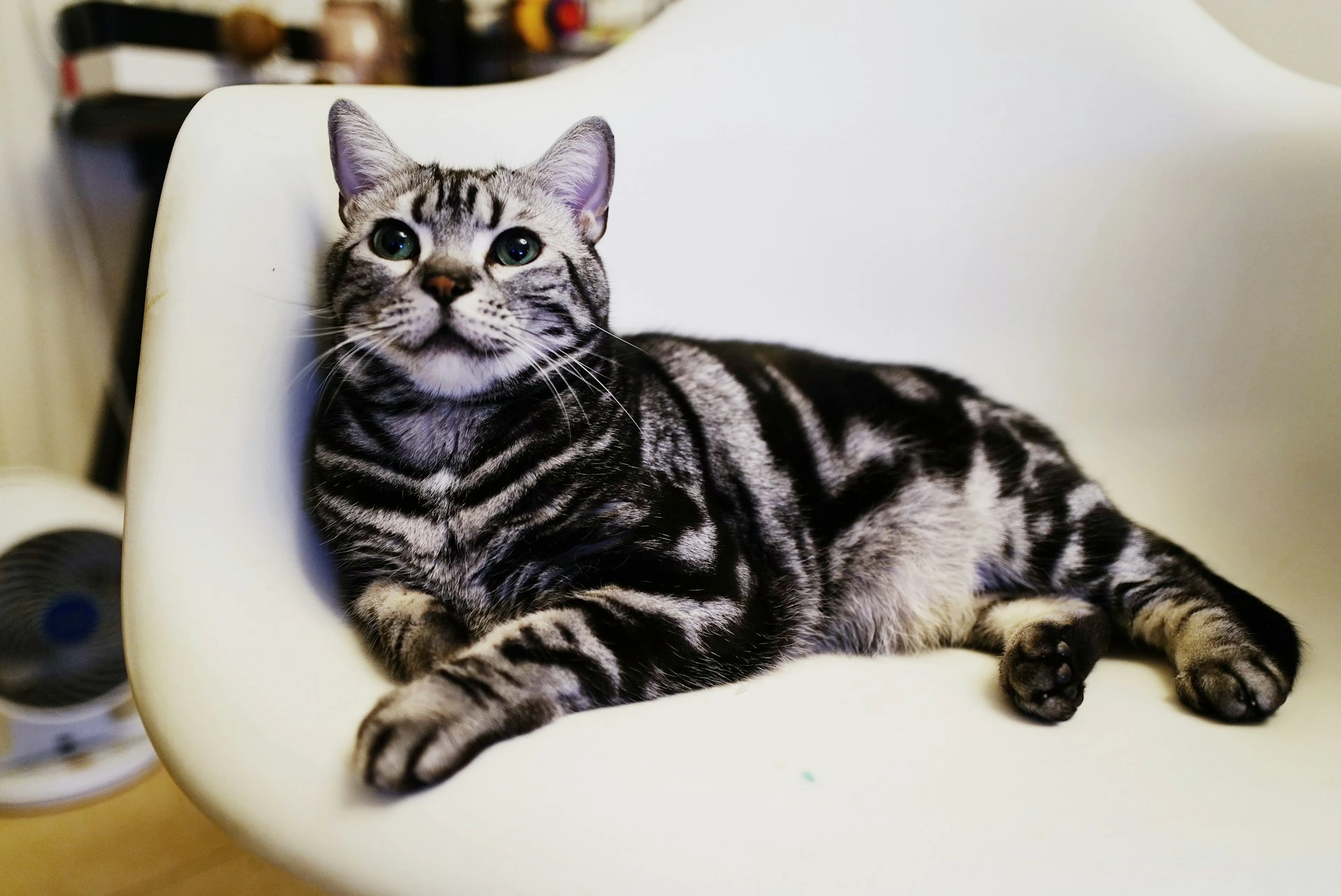
Is your four-legged buddy feeling sore, stiff, or just not bouncing back after an injury? Laser therapy might be just the thing to help your pet feel better—without surgery or medication. In this article, a Syracuse, UT vet goes over how laser therapy works, what it can help with, and what you and your furry pal can expect during a session.
Laser therapy uses a special light to help cells heal, boost circulation, and calm down inflammation. It’s safe for dogs, cats, and even some exotic pets, and it helps ease pain without the need for meds or surgery. Adding laser therapy to your pet’s care routine can help them move more easily, feel more comfortable, and enjoy life a little more.
How Laser Therapy Works
During a laser therapy session, your vet will use a special light on the area that needs help. This light goes through the skin and gets those cells working, which helps with things like:
- Increased circulation: Enhances oxygen and nutrient delivery to tissues
- Pain reduction: Blocks pain signals and reduces inflammation
- Accelerated healing: Supports tissue repair after surgery, injury, or chronic conditions
Ask your vet to help you decide if laser therapy is a good fit for your pet’s needs and health.
Types of Conditions Treated
Laser therapy can benefit pets with a variety of issues, including:
- Arthritis and degenerative joint disease
- Post-surgical recovery
- Soft tissue injuries, sprains, and strains
- Chronic pain management
- Wound healing and skin conditions
Starting laser therapy early can help your pet get the most out of it. It also works well alongside other treatments your vet may recommend.
What to Expect During a Session
Most pets handle laser therapy like champs. Here’s what a typical session looks like:
- Non-invasive: No needles or anesthesia required in most cases
- Short: Typically lasting 5–15 minutes, depending on the area treated
- Comfortable: Many pets enjoy the warmth and gentle stimulation
The staff at your Syracuse, UT clinic will make sure your furry friend is comfy and safe the whole time, so the experience stays calm and easy.
Frequency and Treatment Plans
How many sessions your pet needs will depend on what’s being treated:
- Acute injuries may require several sessions per week initially
- Chronic pain management might involve regular, less frequent maintenance treatments
- Your veterinarian will create a customized plan based on your pet’s needs
Sticking to your vet’s recommended schedule is the best way to help your pet get the most out of their laser therapy sessions.
Benefits of Laser Therapy
Laser therapy provides multiple advantages for pets:
- Reduces inflammation and swelling
- Eases pain without relying solely on medications
- Speeds recovery from surgery or injuries
- Improves joint flexibility and mobility
- Supports overall wellness in older or arthritic pets
Many pet parents notice their furry pals have more pep in their step, are more eager to move around, and just seem more comfortable after a few sessions.
Combining Laser Therapy With Other Treatments
Laser therapy works best when it’s part of a bigger care plan for your pet, such as:
- Physical rehabilitation exercises to improve strength and mobility
- Anti-inflammatory or pain medications as needed
- Nutritional support and weight management
- Acupuncture or other complementary therapies, if appropriate
Ask your vet to help you put together the right mix of treatments to help your pet feel their best.
Safety and Side Effects
Laser therapy is generally safe when administered by trained professionals. Possible considerations include:
- Mild warmth or tingling in the treated area
- Rare temporary increase in discomfort as circulation improves
- Avoiding overexposure in light-sensitive areas or pets with certain medical conditions
Your vet will check your furry pal over to make sure laser therapy is safe and a good choice for them.
Monitoring Progress
Keeping an eye on how your pet is doing helps your vet adjust the treatment as needed:
- Observe changes in activity, comfort, and willingness to move
- Monitor for reduced swelling or inflammation
- Report any concerns to your veterinary team promptly
Checking in with your vet regularly helps ensure laser therapy continues to work well and supports your pet’s long-term health.
If you’re curious about laser therapy for your senior dog, the AKC has a great article that you can read here. PetMD also did a piece on laser therapy in dogs. Click here to read that one.
FAQ About Pet Laser Therapy
Is laser therapy painful for pets?
No. Most pets find the warmth soothing, and sessions are non-invasive and comfortable.
How quickly will my pet see results?
Some pets show improvement after a few sessions, while others may require a longer course depending on the condition.
Can laser therapy replace medications?
It can reduce reliance on medications but may not completely replace them. Your veterinarian will determine the best combination of therapies.
Are there pets that shouldn’t receive laser therapy?
Pets with certain cancers, light-sensitive conditions, or uncontrolled seizures may need special consideration. A veterinary assessment ensures safety.
Choosing the Right Veterinary Clinic for Laser Therapy
Choosing a clinic with trained staff and the right equipment is important. At our Syracuse, UT clinic, we offer:
- Certified veterinary staff trained in laser therapy
- Modern equipment for precise and safe application
- Personalized treatment plans for each pet’s condition
- Supportive guidance for at-home care and follow-up
Partnering with knowledgeable vets helps ensure your pet receives safe, gentle, and effective care.
Owners can support their pets between sessions by:
- Providing a comfortable, warm resting space
- Encouraging gentle movement and exercise as advised
- Monitoring for any changes in behavior or mobility
- Following dietary and medication recommendations
Being involved in your pet’s care can help them heal faster and get the most out of their rehab.
The Impact on Quality of Life
Laser therapy can make a significant difference for pets experiencing pain or mobility challenges:
- Enhances daily activity levels
- Improves overall comfort and mood
- Supports long-term joint and muscle health
- Strengthens the bond between pets and owners as mobility and engagement improve
Watching your furry friend move around more easily and comfortably is one of the best parts of caring for pets.
Schedule a Laser Therapy Consultation at Our Syracuse, UT Pet Clinic
If your pet is struggling with pain, inflammation, or slow healing, pet laser therapy may provide relief and support recovery. At Quail Pointe Veterinary Hospital, our Syracuse, UT veterinary clinic, we evaluate each pet individually, create personalized treatment plans, and guide owners on incorporating laser therapy into overall wellness care. If you’re searching for a vet near me in Syracuse, UT, or want to explore how laser therapy can benefit your furry friend, contact our team today to schedule a consultation and start improving your pet’s comfort and mobility.
This blog is intended solely for informational purposes. Always consult with your veterinarian for the right medical advice, diagnosis, or treatment plan for your pet and follow their guidance.
To learn more about our Syracuse veterinary clinic and the services we offer, stop by our main Services page here. We offer a full range of options, from basic wellness care, which you can find out about here, to more specialized services, such as Laser Therapy, which you can learn about here.